
Why Code Compliance Matters in Tension Fabric Structures
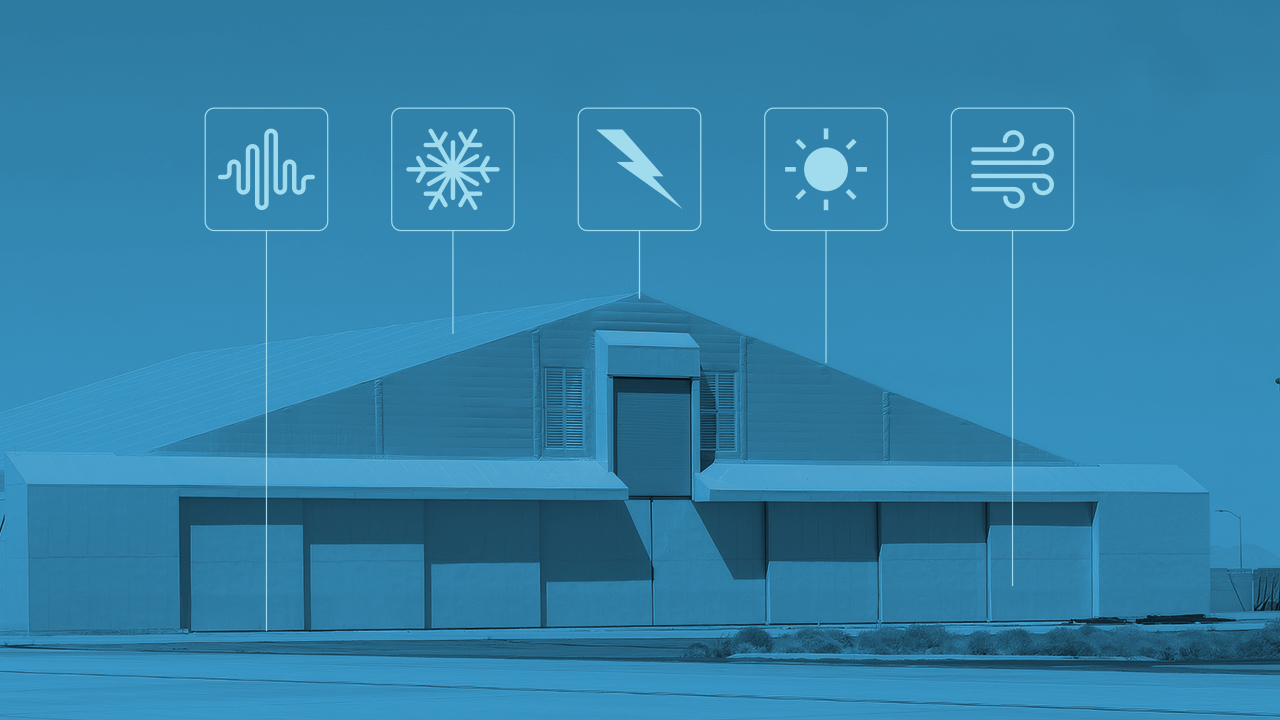
Across military infrastructure, there is growing demand for solutions that can reduce cost, shorten delivery timelines, and support mission requirements more efficiently. That shift is often discussed through the lens of Industrialized Construction and Alternative Construction Methods (ACM). Within that broader conversation, Tension Fabric Structures (TFS) occupy a specific and important place.
For hangars, warehouses, maintenance spaces, sunshades, and corrosion-free environments, TFS can provide a faster path to usable infrastructure than traditional construction, but speed is only part of the story. A structure that goes up quickly must continue to perform over time, withstanding the demands of its location, protecting the assets inside it, and supporting the mission without creating unnecessary risk.
Faster Delivery Should Not Mean Lower Standards
TFS are sometimes associated with temporary or expeditionary use. That history is important, but it does not tell the whole story.
When properly engineered, these structures can serve as long-term infrastructure solutions designed for the site, the mission, and the environmental conditions they will face.
A code-compliant TFS is not simply a fabric-covered frame. It is an engineered building system. Wind loads, snow loads, seismic requirements, structural bracing, foundation design, steel protection, cladding performance, anchoring, drainage, and environmental exposure all influence how the structure performs over time.
Two structures may look similar from the outside, but the difference is in the engineering.
Military Environments Do Not Allow for Guesswork
Military infrastructure is often placed in demanding environments, from high-wind coastal regions and corrosive climates to heavy snow, intense heat, seismic activity, and windborne debris regions. Many of these structures are used to protect mission-critical aircraft, vehicles, equipment, parts, and supplies. In those settings, the “good enough” option can become expensive quickly.
A structure that is not properly engineered for its location can lead to premature wear, membrane failure, corrosion, structural damage, operational disruption, and unnecessary risk to personnel and assets.
Code Compliance
Code compliance is not just paperwork—it’s a practical way of confirming that a structure has been designed to perform safely and reliably in its intended location.
For TFS, that includes questions such as:
Has the structure been engineered for the required wind, snow, seismic, and environmental loads?
Are the engineering drawings and structural calculations PE-stamped?
Is the structural frame properly sized and braced?
Is the structure independent of the cladding system?
Are the steel components protected against corrosion?
Is the foundation and anchorage design appropriate for the site?
Are the membrane and roof materials appropriate for the intended use, environment, and lifecycle?
These factors separate dependable infrastructure from avoidable risk.
The Details Behind Long-Term Performance
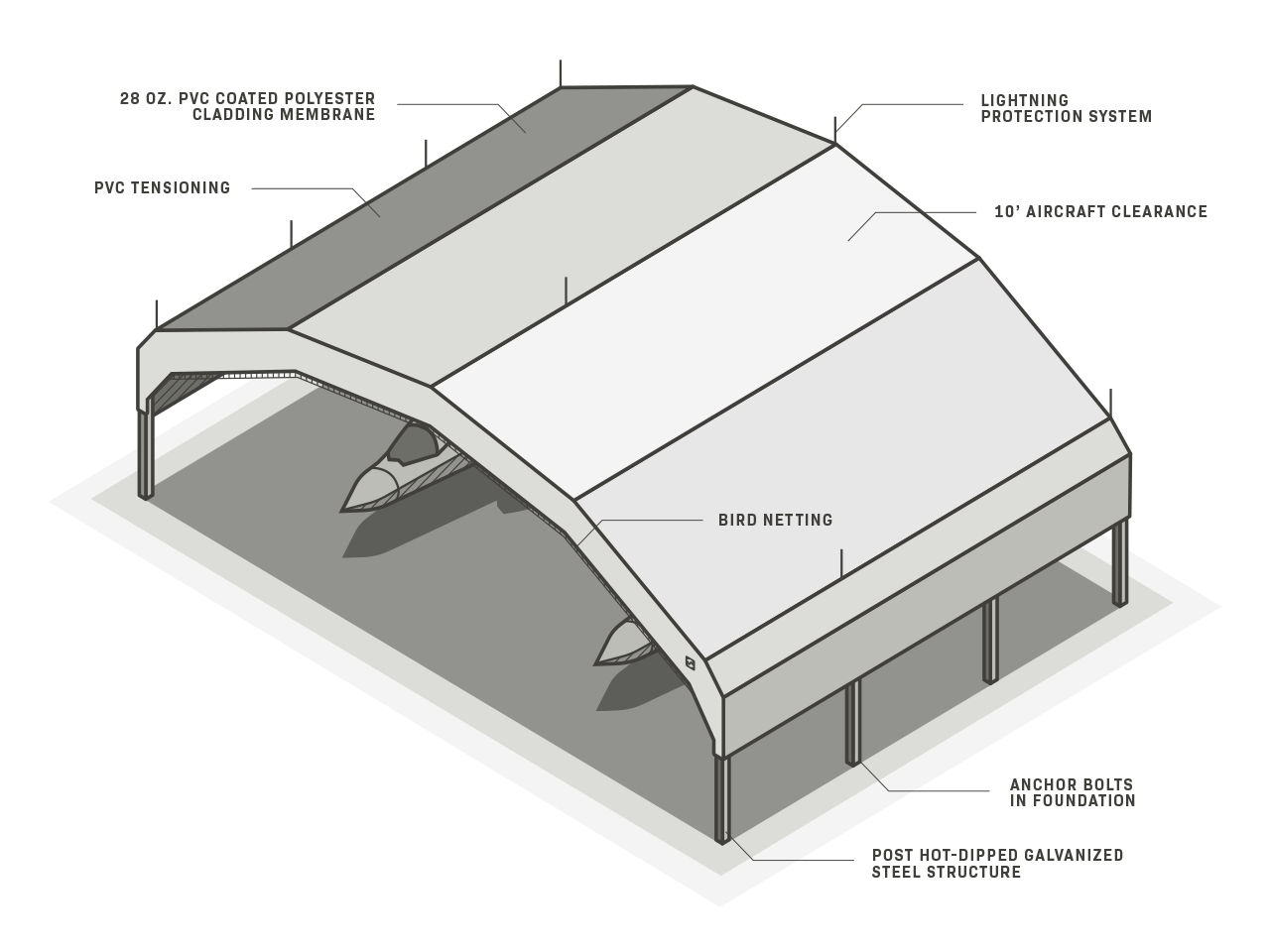
The most reliable TFS are built around non-negotiables, starting with engineering to building code and validating that engineering through PE-stamped drawings and calculations. These requirements also include materials selected for long-term durability, including post-production hot-dip galvanized steel and high-performance PVC-coated polyester membrane appropriate for the structure, environment, and application.
Post-production hot-dip galvanization matters because corrosion protection must extend across the steel frame, including welded areas and concealed surfaces. Membrane quality matters because the cladding system must withstand environmental exposure and support the intended lifecycle.
“The most reliable TFS are built around non-negotiables, starting with engineering to building code and validating that engineering through PE-stamped drawings and calculations.”
Foundation and anchorage design are equally important. A structure that is not properly anchored is improperly designed. Wind uplift, lateral forces, seismic activity, water intrusion, and site conditions must all be addressed as part of the complete building system. These details may not be the most visible part of a structure, but they are often the reason it performs year after year.
Built to Code. Built for the Mission.
TFS can be a powerful infrastructure solution, but their real value depends on performance. A hangar, warehouse, maintenance space, sunshade, or corrosion-free environment must do more than provide cover. It should support readiness, protect assets, and reduce avoidable maintenance and operational disruption.
To be mission-ready, a structure must perform as intended, in the environment where it is placed, for as long as it’s needed. That requires sound engineering, code compliance, and a refusal to cut corners. When a structure is built to code, designed for the site, and engineered for the mission, it becomes more than a fast solution. It becomes dependable infrastructure.
To learn more about Cocoon’s Tension Fabric Structures and corrosion-prevention solutions, contact one of our subject matter experts at info@cocoon-inc.com.