
Modernization Adds Capability, Corrosion Prevention Protects It
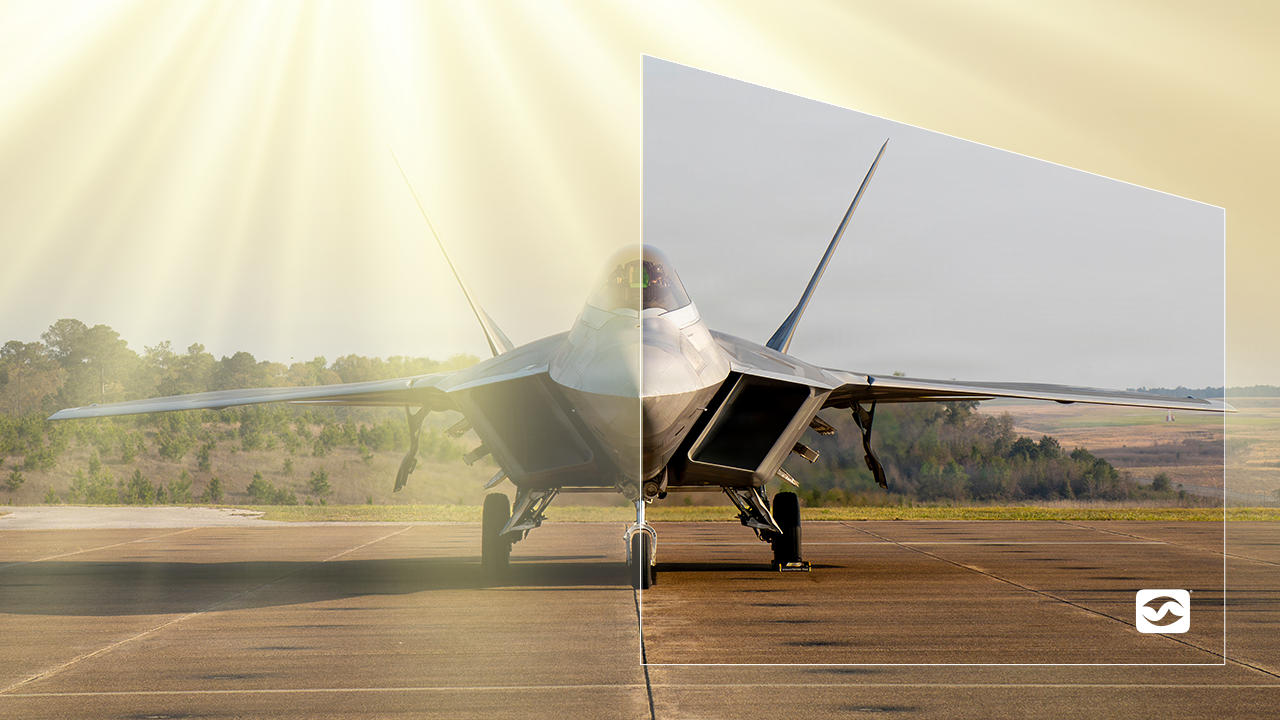
Image Courtesy Staff Sgt. Lauren Diaz
Modernization and corrosion prevention should not be viewed as separate conversations. One adds capability. The other helps protect it.
When people think about modernization, they tend to focus on visible upgrades: new avionics, mission systems, communications, sensors, payload improvements, or structural enhancements. Those upgrades improve operational performance and expand what an asset can do, but every modernization effort also depends on the condition of the platform itself. If corrosion, mold, mildew, trapped moisture, excess weight, or maintenance burden begin working against that platform, the benefits of modernization can be diminished.
Capability is more than a new asset. It’s also about what remains available, reliable, and ready to perform.
The Hidden Risk Behind Advanced Systems
Modern military assets operate in harsh environments. Heat, humidity, sand, dust, rain, salt air, lubricants, and extreme temperatures all work against long-term readiness.
As aircraft and equipment incorporate more sophisticated systems, the cost of downtime rises. The impact of unscheduled maintenance compounds and the importance of protecting the asset from preventable degradation becomes even clearer.
Modernization raises the value of the asset. Corrosion prevention helps protect that value and keep the asset available.
A Practical Example: Aviation Insulation
One place this principle becomes tangible is aviation insulation. Blankets may not be the first thing people think in aircraft modernization, but they directly affect aircraft condition, weight, maintainability, and long-term performance.
Traditional blanket systems can absorb fluids, gain weight over time, trap heat and moisture, and contribute to mold, mildew, and corrosion issues that increase maintenance burden and reduce readiness.
Cocoon’s Improved Thermal Acoustic Blanket (ITAB) for the Chinook shows how improved materials and better design can support modernization goals. The system starts lighter and stays lighter, saving more than 140 pounds over time compared with older blankets. It also improves acoustical and thermal performance while helping mitigate corrosion, mold, and mildew by allowing air and moisture vapor flow while repelling water, petroleum, lubricants, sand, and dust.
That’s not just a materials story. It’s a readiness story.
Capability Added. Capability Protected.
Modernization programs are often evaluated on the capability they deliver at installation, but their real value is measured over time.
How does the upgrade perform after months of exposure to harsh environments?
How much maintenance does it create or prevent?
Does it help preserve the platform, or does it add hidden burden?
Does it support readiness over the life of the asset?
These are corrosion-prevention questions, but they are also modernization questions because a platform that performs better on paper but degrades faster in service is not delivering its full value.
When corrosion prevention is part of the equation, modernization investments are better protected, maintenance burden is reduced, readiness improves, and asset life can be extended.
To learn more about Cocoon’s aviation insulation and other corrosion-prevention solutions, contact one of our subject matter experts at info@cocoon-inc.com.