
Corrosion-Free Environments: The Difference Between Storage and Preservation
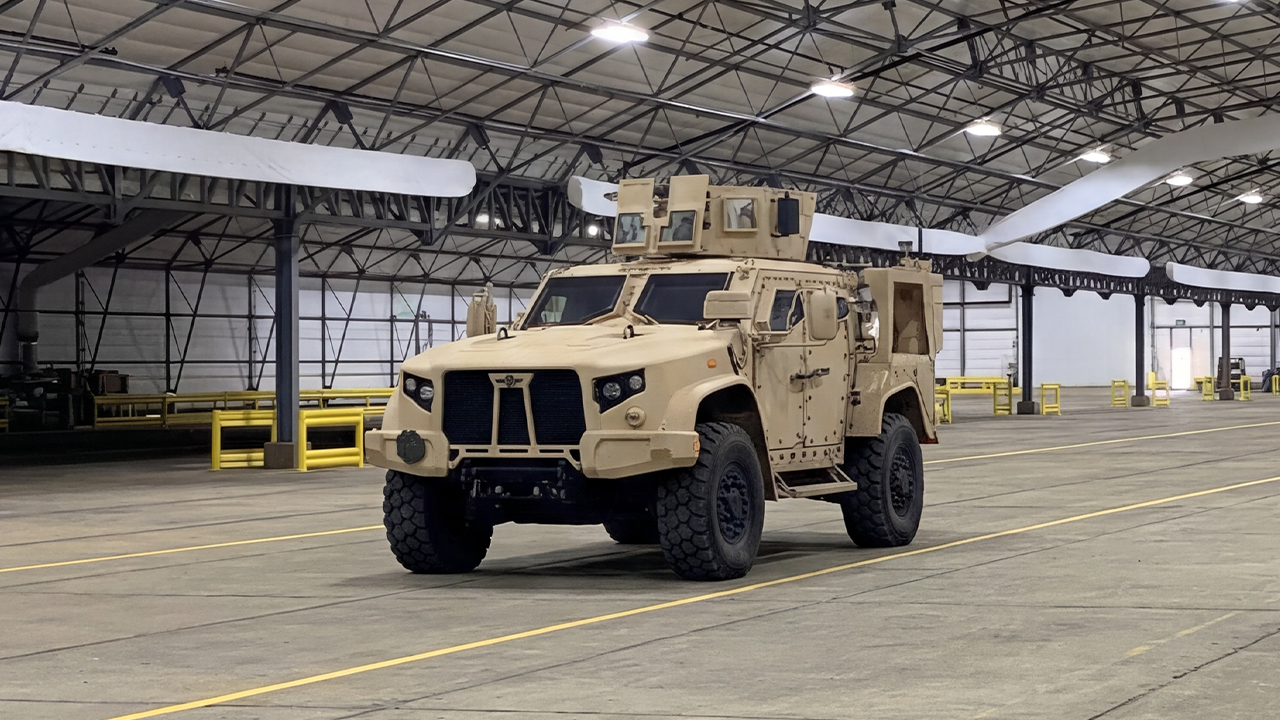
Storing an asset and preserving it are not the same thing.
An aircraft parked indoors may be under cover, but that does not mean it is protected from the environmental conditions that drive corrosion. The same is true for vehicles, parts, electronics, equipment, and supplies. If humidity, moisture, and airborne contaminants are still present, degradation can continue even when the asset is not in use. That distinction matters.
When organizations are responsible for maintaining readiness, storage alone is not enough. Preservation requires control over the environment surrounding the asset.
Storage Provides Space. Preservation Protects Condition.
Storage solves one problem: where the asset sits.
Preservation solves another: what condition the asset remains in while it is there.
Without environmental control, stored assets can still be exposed to the conditions that contribute to corrosion, mold, mildew, packaging deterioration, and damage to sensitive electronics. Over time, those issues can create additional inspections, unplanned maintenance, higher sustainment costs, and reduced readiness.
That is why preservation must go beyond shelter and address the environment itself.
Why Humidity Matters
Corrosion does not need dramatic exposure to become a problem. In many cases, it develops quietly over time as moisture in the air interacts with metal surfaces, electronics, coatings, and stored materials. That is one reason relative humidity matters so much.
When humidity is not controlled, stored assets may still be aging even when they appear protected. Electrical systems, metal components, packaging materials, and other sensitive items can all be affected by the environment around them.
A Corrosion-Free Environment helps address that risk by maintaining controlled conditions designed to slow or stop the corrosion process before it begins.
What a Corrosion-Free Environment Helps Protect
Corrosion-Free Environments are designed to do more than provide enclosure. They help support:
Controlled relative humidity
Reduced corrosion risk
Protection for sensitive electronics and components
Improved asset condition during storage
Lower maintenance burden over time
Greater confidence that critical assets will remain ready for future use
This applies across a wide range of use cases, including aircraft, vehicles, equipment, parts, ordnance, containers, and warehoused materials.
Ready To Go Starts with the Environment
Corrosion prevention is often treated as a maintenance issue, but in many cases, it begins with infrastructure and environmental control. A Corrosion-Free Environment helps create the conditions that protect critical assets during storage, reduce unnecessary degradation, and support long-term readiness.
When the mission depends on the asset, it is not enough to know where it is stored. What matters is the condition it stays in. To learn more about Cocoon’s Corrosion-Free Environments and corrosion-prevention solutions, contact one of our subject matter experts at info@cocoon-inc.com.