
Stopping Corrosion Is One of the Highest-ROI Decisions You Can Make
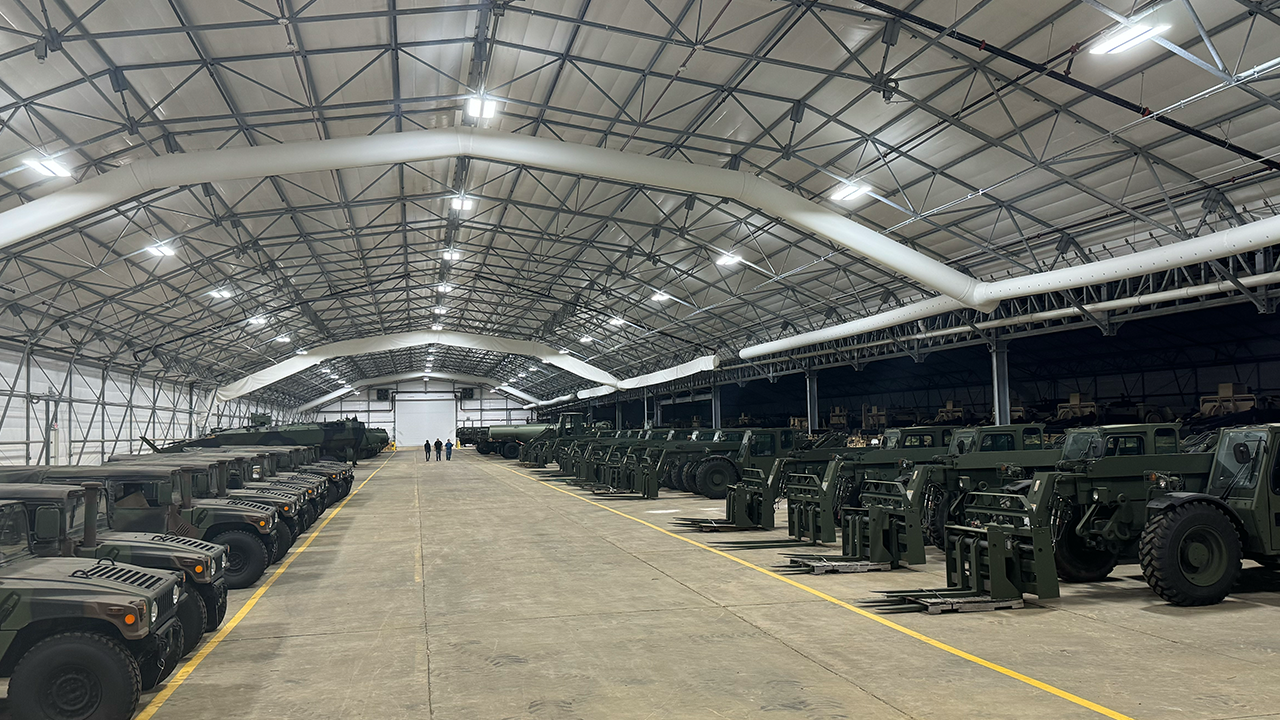
Corrosion is often treated as a cost of doing business—an unavoidable consequence of time, climate, and use. But in reality, corrosion is both predictable and preventable. And when it’s prevented correctly, the return on investment can be profound.
A military warehouse storing mission‑critical aircraft components provides a clear example.
The Challenge: Millions Lost to an Invisible Enemy
The facility stored between $15–$20 million in high‑value aircraft parts. Like many warehouses, it experienced wide swings in temperature and consistently high relative humidity—ideal conditions for corrosion.
The result was sobering:
15% annual inventory loss
$2.5–$3 million written off every year
Increased pressure on supply chains
Added maintenance, sourcing, and administrative burden
Reduced readiness
None of this failure was sudden or dramatic. Corrosion worked quietly and continuously in the background, compounding losses year after year.
The Solution: A Corrosion‑Free Environment
Rather than reactively replacing damaged parts, the facility invested in prevention.
Working with the Army Aviation and Missile Command (AMCOM) and Munters Corporation, Cocoon designed and installed a Corrosion‑Free Environment (CFE) that tightly controlled relative humidity and temperature within the warehouse.
Key elements included:
Relative humidity maintained below 45%
Stable temperature control
Industrial‑grade desiccant dehumidification
Continuous monitoring to ensure performance stayed in spec
This environmental control eliminated the conditions under which corrosion occurs—effectively stopping the aging process of stored assets.
The Results: Corrosion Eliminated, ROI Measured in Weeks
Once the Corrosion‑Free Environment came online, the results were immediate and decisive:
Zero losses of newly stored parts due to corrosion
Elimination of costly re‑orders and re‑conditioning
Reduced labor tied to inspections, documentation, and replacement
Improved confidence in inventory readiness
The financial outcome was even more striking:
Investment: ~$200,000
Annual savings: $2.5–$3 million
Payback period: 4–5 weeks
ROI: Over 1000% in the first year
This wasn’t a marginal improvement. It was a structural reset of how corrosion was handled.
Why Prevention Changes the Equation
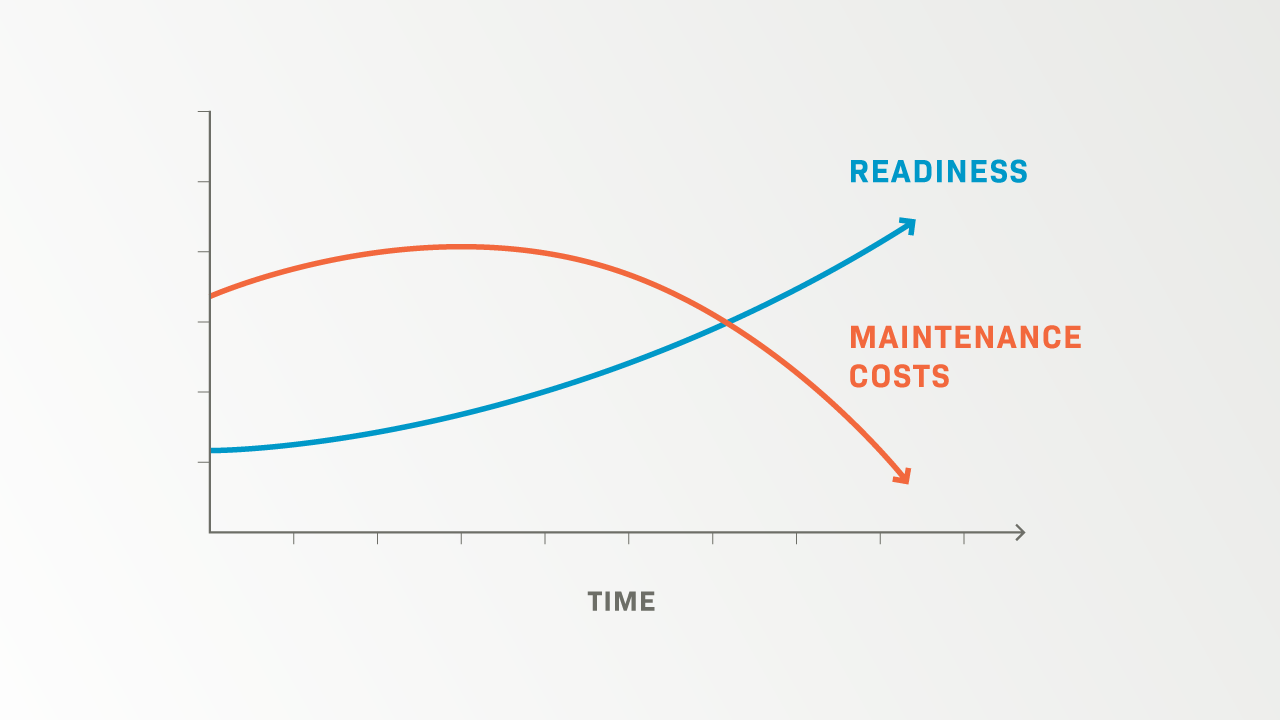
Corrosion prevention does more than save money. It:
Protects readiness
Stabilizes supply chains
Reduces maintenance man‑hours
Extends asset life
Lowers total ownership cost
Most importantly, it shifts organizations from reacting to failure to engineering it out entirely.
When corrosion is treated as an environmental problem rather than a maintenance problem, the economics change dramatically.
The Takeaway
You don’t need to accept corrosion as inevitable—or expensive.
Corrosion‑Free Environments are not theoretical or experimental. They’re in operation today, protecting everything from aircraft and vehicles to spare parts and pre‑positioned stock.
And as this facility demonstrated, when corrosion is eliminated, the investment often pays for itself faster than almost any other infrastructure decision you can make.