
Why Infrastructure Decisions Shape Sustainment Outcomes
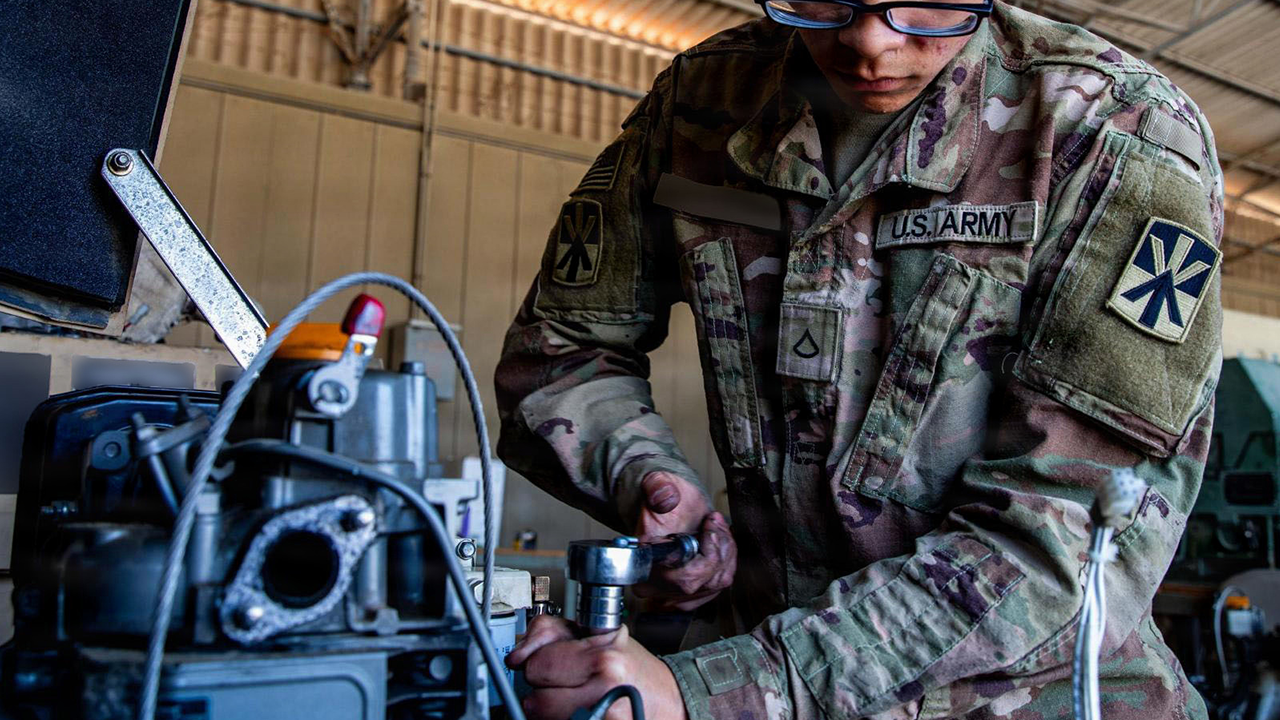
Image Courtesy U.S. Army
Sustainment challenges are often framed as maintenance problems—inspection backlogs, part shortages, extended downtime, and rising lifecycle costs. But by the time those issues surface on a maintenance report, many of the decisions that shaped them were made long before the first wrench was ever turned.
Those decisions weren’t mechanical. They were infrastructure decisions.
In sustainment contexts, infrastructure doesn’t just mean permanent facilities. It includes engineered structural and environmental systems that define how mission‑critical assets are protected, accessed, and supported throughout their service life. These systems quietly—but decisively—shape how equipment ages, how often it requires intervention, and how ready it is when needed.
Sustainment Is Influenced Long Before Maintenance Begins
Every asset operates within an environment. Temperature swings, humidity, exposure, airflow, and physical access all influence degradation over time—much of it gradual and unseen.
When protection and environmental conditions are treated as secondary considerations, sustainment impacts accumulate downstream:
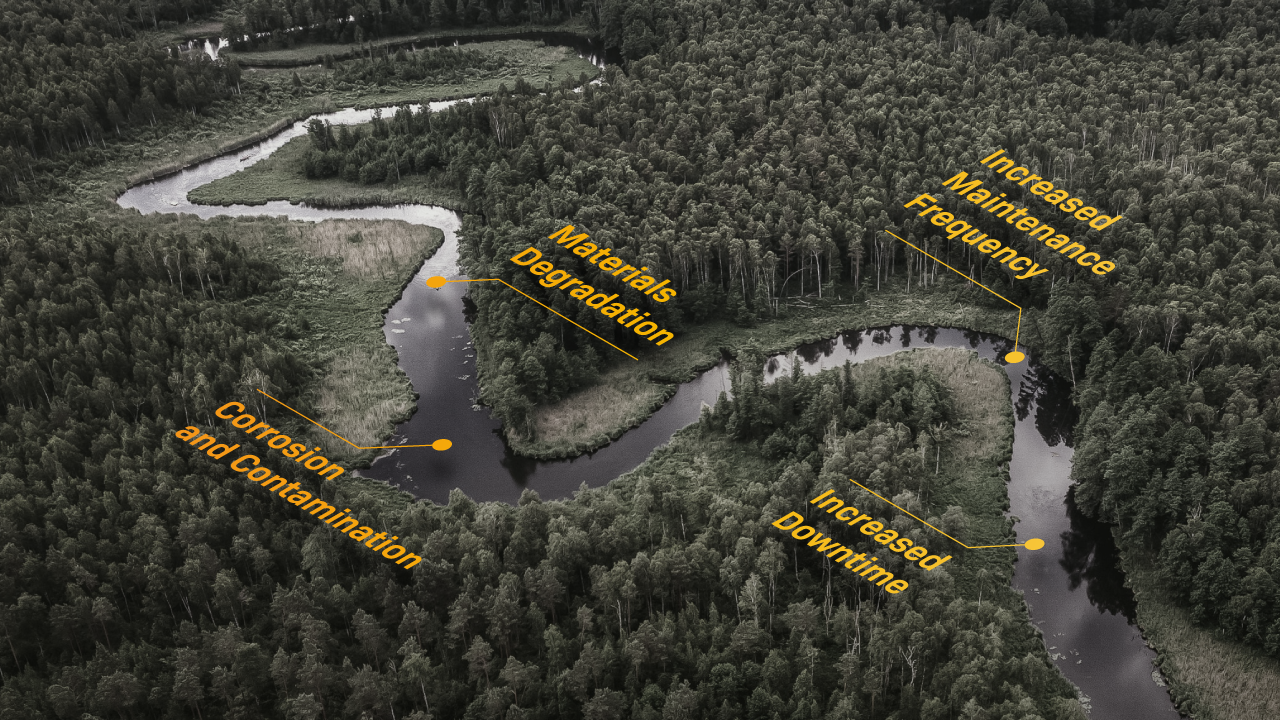
Materials degrade faster than expected
Corrosion and contamination become routine
Maintenance frequency increases
Downtime lengthens
Readiness erodes incrementally
None of these outcomes are sudden, and none are mysterious. They are the predictable result of environments that were never designed with sustainment in mind.
The Cost of Treating Infrastructure as Background
One of the most common missteps in sustainment planning is treating infrastructure as static background—necessary, but disconnected from operational outcomes.
When structural and environmental systems are selected late, or treated as interchangeable commodities, organizations inherit inefficiencies that compound over time:
Environments that accelerate wear instead of slowing it
Limited access that makes inspection and repair more difficult than necessary
Protection systems that meet a requirement on paper but underperform over the lifecycle
These challenges rarely appear as single failure points. Instead, they create persistent drag on readiness, manpower, and budgets—often normalized as an unavoidable cost of operations.
Infrastructure as an Active Sustainment Enabler
When infrastructure is defined intentionally and early, the equation changes.
Engineered structures and protective environments can actively support sustainment by:
Reducing environmental stress on equipment
Improving access for inspection, maintenance, and reset
Supporting higher operational tempo without accelerating degradation
Extending service life while reducing total ownership cost
In this context, infrastructure is no longer just housing the mission.
It is actively enabling and sustaining it.
This shift requires moving beyond viewing infrastructure as a finished object and toward understanding it as a system that continuously interacts with equipment, people, and operations.
Why Upstream Definition Matters
Many sustainment challenges persist not because they are difficult to understand, but because they are addressed too late.
The most impactful improvements occur upstream, when key decisions are still fluid:
What environment does this asset actually need to perform and endure?
How much degradation are we unintentionally designing into the system?
Are protection and access helping maintainers—or hindering them?
Will this solution remain effective as missions, platforms, or operational tempo change?
When structural and environmental systems are defined early enough to answer these questions, sustainment outcomes improve downstream—often significantly.

The most impactful improvements occur upstream, when key decisions are still fluid.
Reframing the Sustainment Conversation
As operational demands increase and resources tighten, sustainment can no longer rely solely on additional maintenance activity, spare parts, or manpower.
It requires re‑examining the systems that shape degradation and workload in the first place.
Infrastructure decisions—how assets are protected, sheltered, and supported over time—are among the most influential sustainment decisions an organization makes. Recognizing that reality allows organizations to move from reactive maintenance toward intentional lifecycle performance.
Sustainment outcomes don’t begin on the hangar floor or in the motor pool.
They begin with the infrastructure decisions made upstream.