
Aviation Insulation: What Starts Lighter, Stays Lighter
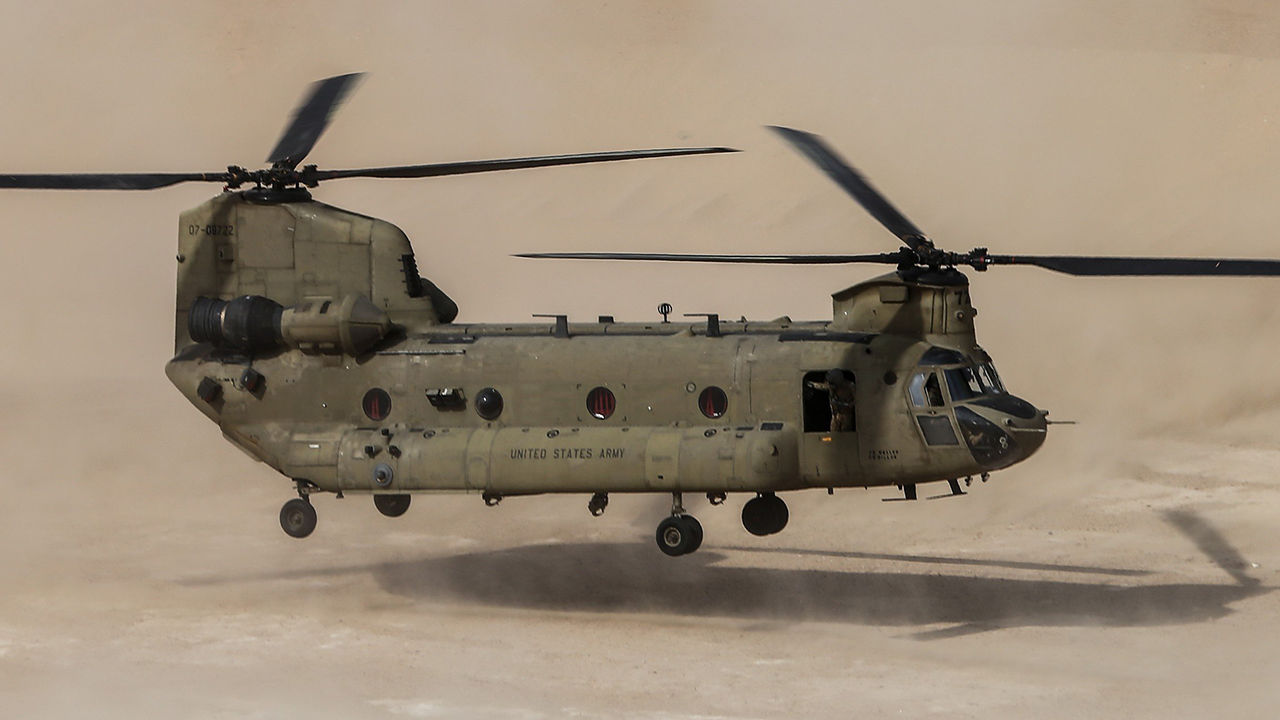
Image Courtesy Captain Travis Mueller
Aircraft modernization often focuses on what gets added: new systems, upgraded capabilities, improved performance, and mission-ready technology. What gets removed, reduced, or prevented can matter just as much.
When it comes to aircraft insulation, weight is not only an installation-day concern—it’s a lifecycle concern. A blanket system that starts heavier, absorbs moisture, holds contaminants, or becomes harder to maintain can create a hidden burden over time. That burden can affect aircraft performance, maintenance demands, corrosion risk, and readiness.
Moisture Management Matters
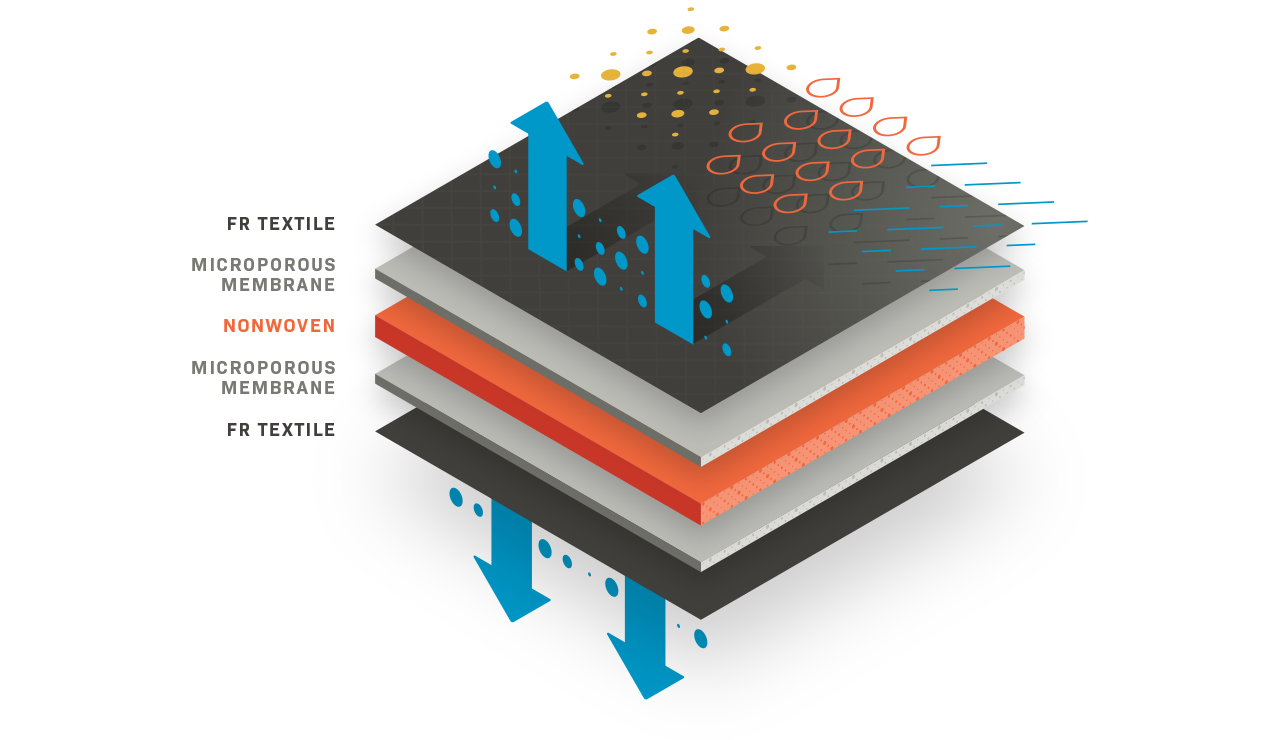
Moisture does more than add weight. It can also lead to corrosion, mold, and mildew. When moisture becomes trapped between insulation and the airframe, the blanket system can become part of the problem it is supposed to help solve. That’s why material design matters.
Aviation insulation should manage moisture, and support airflow while resisting the absorption of water, petroleum, lubricants, sand, and dust.
Weight Matters Beyond Day One
Every pound matters in aviation. Reducing unnecessary weight can support performance, efficiency, and operational flexibility. Weight savings should not only be measured when a system is new. Ask how the system performs after months or years of real-world use.
Traditional insulation blankets can be exposed to moisture, fluids, sand, dust, heat, and routine wear. Over time, those conditions can add weight, contribute to degradation, and increase maintenance burden. A blanket system that starts light but does not stay light may not deliver its full value over the life of the aircraft.
Better Materials Support Readiness
Insulation blankets are not always the first thing people think of when they think about readiness, but they can influence the maintenance environment in meaningful ways.
Cocoon’s Improved Thermal Acoustic Blanket, or ITAB, for the CH-47 Chinook was developed to address more than thermal and acoustic performance.
It starts lighter and stays lighter, helping reduce unnecessary weight over time compared with older blanket systems. It is also designed to help mitigate corrosion, mold, and mildew by allowing air and moisture vapor to move while repelling water, petroleum, lubricants, sand, and dust.
Those design choices support a broader readiness goal: protecting the aircraft from the inside out. That’s more than a product benefit. It’s a readiness advantage.
To learn more about Cocoon’s aviation insulation solutions, contact one of our subject matter experts at info@cocoon-inc.com.