
Cocoon Protective Cover Features: Why the Full System Matters
When considering protective covers, readiness really depends on the details.
For military aircraft, vehicles, UAVs, weapons systems, and support equipment, the right protective cover must do more than block rain. It needs to help preserve asset condition in the environments the asset will actually face, while remaining practical for the maintainers responsible for using it.
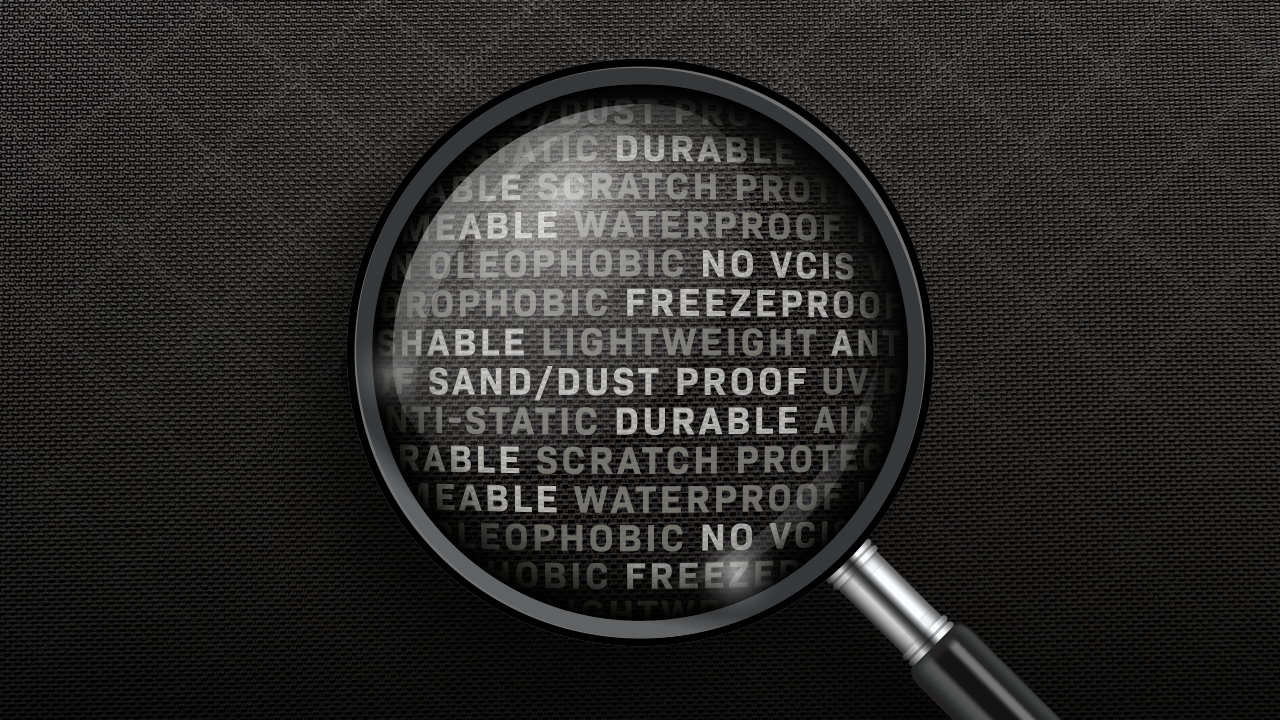
That’s why Cocoon protective covers are designed as a complete system of features, each supporting the same goal: protecting critical assets and helping keep equipment closer to ready-to-go condition.
Waterproof and Hydrophobic
If a cover absorbs moisture or dries slowly, that moisture can be held against the asset and contribute to the conditions that drive corrosion. It can also make the cover heavier, harder to handle, and less practical for maintainers to use consistently.Cocoon covers are designed to block rain while resisting water absorption, so wet weight remains essentially the same as dry weight. A cover that stays light and manageable even when wet is easier to install, remove, clean, store, and reuse.
By combining waterproof and hydrophobic performance, Cocoon covers help repel water, prevent absorption into the cover material, and reduce the risk of moisture being trapped against the asset.
Air Permeable
A cover that blocks rain but traps heat and moisture underneath can create a greenhouse effect, increasing the risk of corrosion and degradation.Cocoon covers are air permeable, allowing air and moisture vapor to move through the material. This helps provide protection without creating a sealed environment that works against the asset.
Oleophobic
Military equipment is often exposed to petroleum, lubricants, hydraulic fluids, and other contaminants. If a cover absorbs those substances, it can become heavier, harder to clean, and less effective over time.Cocoon covers use oleophobic materials that help resist oil-based contaminants, supporting cleaner handling, easier maintenance, and long-term cover performance.
UV Durable
Sunlight and prolonged outdoor exposure can weaken cover materials, leading to premature breakdown, reduced performance, and shorter service life.Cocoon covers are UV durable, helping maintain material performance through repeated exposure to sunlight, heat, and demanding outdoor conditions.
Lightweight and Washable
A cover that is too heavy, difficult to handle, or hard to clean may not be used consistently. When usability becomes a burden, protection becomes less reliable.Cocoon covers are lightweight and washable, making them practical for repeated installation, removal, cleaning, storage, and reuse. That ease of use helps support consistent protection and readiness.
Anti-Static
Some assets and operational environments require added protection from electrostatic discharge. Without static control, sensitive equipment may face unnecessary handling risk.Cocoon covers are designed with anti-static properties to help support safer handling around assets that may be sensitive to static-related damage.
Durable and Scratch Protective
Protective covers are exposed to repeated handling, movement, installation, removal, storage, and environmental stress. If the cover breaks down or damages the asset surface, it is not doing its job.Cocoon covers are designed for durability and scratch protection, helping reduce wear on both the cover and the asset it is built to protect.
Sand/Dust Proof and Freezeproof
Sand, dust, and fine particulate can affect asset condition, maintenance requirements, and performance. In cold-weather environments, some cover materials can become stiff, brittle, or difficult to remove.Cocoon covers are designed to help protect against sand and dust while remaining usable in freezing conditions, supporting asset protection across demanding environments.
No VCIs
Some corrosion-prevention approaches rely on volatile corrosion inhibitors, or VCIs, which can raise concerns about chemical migration, residue, compatibility, or limited-use conditions.Cocoon covers are designed without VCIs. Instead, they focus on material performance, air permeability, water repellency, durability, and practical protection in demanding environments.
The Features Work Together
No single feature makes a protective cover truly effective. A cover may block rain, but if it absorbs water, gains weight, or traps heat and moisture, it can still work against the asset. A cover may be durable, but if it is too heavy or difficult to use, it may not be used consistently. The value comes from the combination.
Cocoon protective covers are designed to help reduce maintenance burden, support corrosion prevention, and protect the condition of critical equipment before environmental exposure becomes a readiness issue. In demanding military environments, every feature has a role to play in keeping assets protected, maintainable, and ready for the mission.
To learn more about Cocoon protective covers, visit cocoon-inc.com/cocoon-protective-cover-difference or contact one of our subject matter experts at info@cocoon-inc.com.