
We didn't start from the ground up, we started below the water line
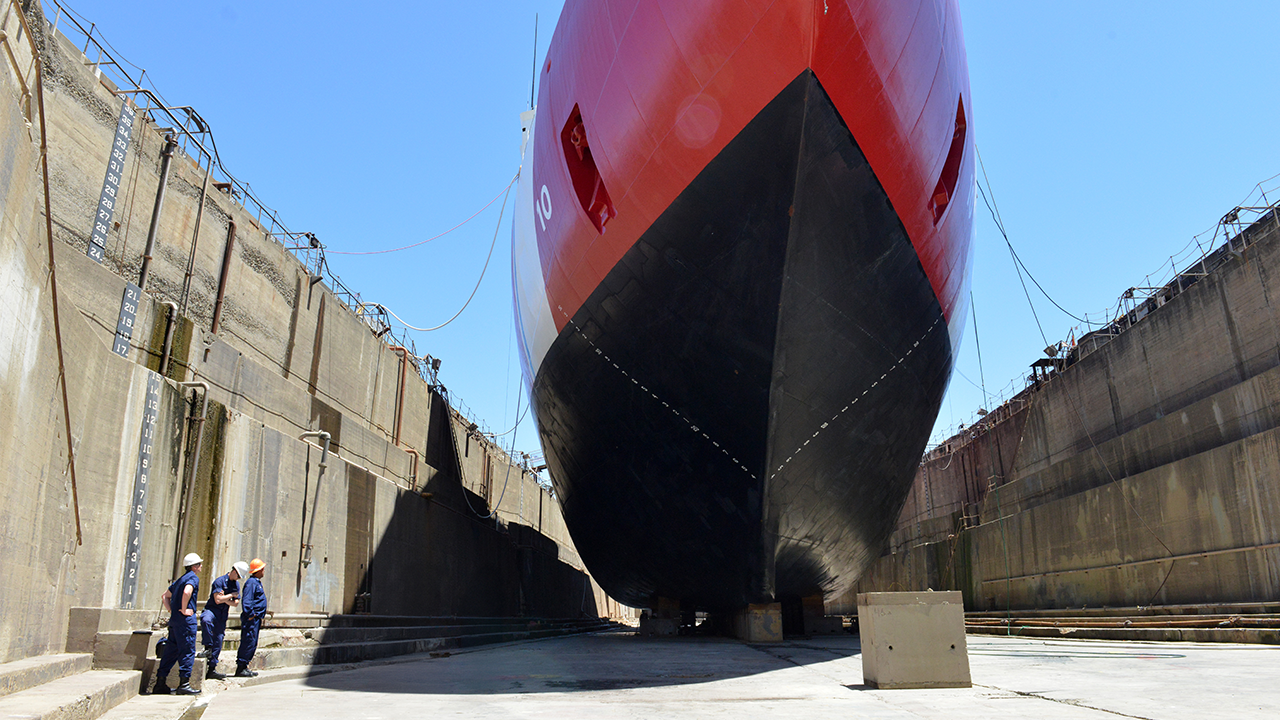
Image courtesy Petty Officer 1st Class Matthew Masasch

Cocoon didn’t start from the ground up, it actually started below the water line. The company got its start mothballing ships to protect them from corrosion when they were decommissioned. The portfolio of projects grew to include power plants, oil rigs, and more ships - including those owned by the DoD. Military Sealift Command jobs started to include on-deck corrosion-free fabric structures, which launched a new line of business - and caught the attention of U.S. Army Forces Command.

Army Forces Command engaged Cocoon to solve fabric expeditionary hangar failures in Iraq and Afghanistan, thus began the company’s expansion into steel-framed fabric structures on land. Success in expeditionary hangars led to permanent fabric hangars - the first for the Special Forces in Yuma, AZ, and more recently for B-52s at Edwards AFB. Cocoon structures now include hangars, warehouses, training facilities, sunshades, and more.
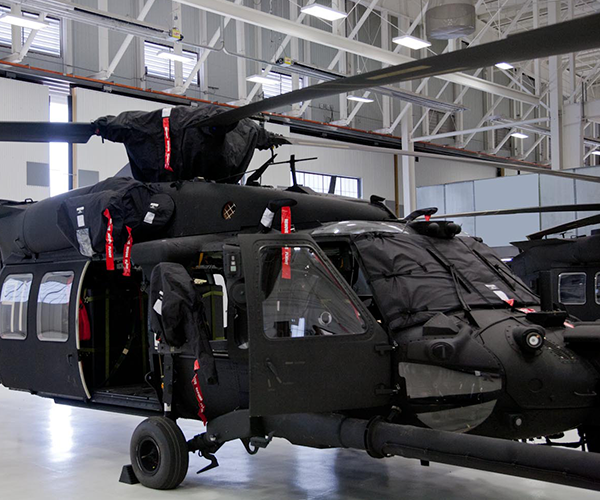
Over time the company has become a leading expert in atmospheric corrosion prevention and mitigation - especially in military applications. Cocoon’s philosophy has always been that it’s not a company selling products, it’s a company solving problems. That mindset led to an expansion of the company’s product line to include advanced technical textiles, first in development of a breakthrough protective cover, followed by revolutionary new aviation insulation systems.
A culture of curiosity, coupled with deep expertise, is the creative engine that drives innovation at Cocoon. The team has development a knack for understanding how to push the edges of what’s possible while working within the boundaries of what’s practical.
Over its nearly 50 year history the company has worked with all branches of the DoD across the country and around the world protecting assets from the elements and mitigating corrosion.