
The Infrastructure Readiness Gap: When Traditional Construction Can’t Move Fast Enough
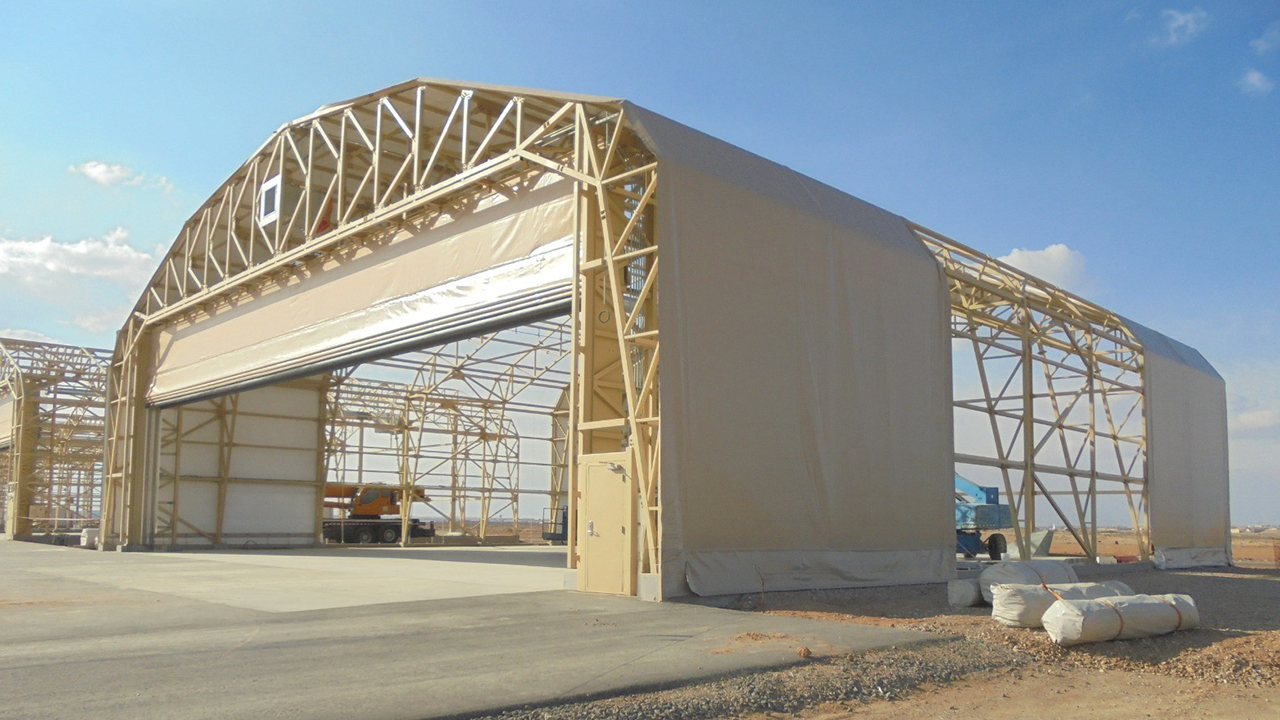
Mission requirements rarely move at the speed of traditional construction.
Across military infrastructure, teams are often asked to solve urgent facility needs while working within long planning cycles, limited budgets, site constraints, and evolving mission demands. Aircraft need protection. Equipment needs storage. Maintenance teams need usable space. Assets need environments that support readiness.
When infrastructure cannot keep pace, the gap becomes more than a facilities issue. It becomes a readiness issue.
The Challenge of Timing
Traditional construction is often the right answer for permanent, highly customized, or complex infrastructure, but it can also require long timelines for planning, design, funding, site preparation, construction, and acceptance.
For many military requirements, that timeline can be difficult to align with operational need. A unit may need covered maintenance space before the next training cycle. Vehicles or aircraft may need protection from environmental exposure before a permanent facility is funded. Stored assets may need preservation conditions now, not years from now.
Readiness Depends on Usable Infrastructure
Infrastructure readiness is not just about having buildings on a master plan. It is about having the right space available when and where it is needed.
That space may support aircraft maintenance, vehicle storage, parts warehousing, corrosion prevention, environmental control, or protection from sun, rain, salt air, sand, snow, and wind. When the right infrastructure is not available, the effects can show up in practical ways:
Assets spend more time exposed to environmental conditions
Maintenance teams work around space limitations
Equipment and parts require additional inspection or rework
Temporary solutions remain in use longer than intended
Readiness and sustainment teams absorb the burden
The result is a mismatch between what the mission needs and what the facility timeline can deliver.
Faster Does Not Have to Mean Temporary
One misconception is that faster infrastructure solutions are automatically temporary, lower quality, or less capable. Industrialized Construction, Alternative Construction Methods, and Tension Fabric Structures can provide faster pathways to usable infrastructure when they are properly planned, engineered, and matched to the mission.
These approaches can help reduce delivery timelines while still supporting code compliance, site-specific design, environmental performance, and long-term use.
The key is not simply building faster. It’s building the right solution faster.
Speed Still Requires Discipline
Accelerated infrastructure delivery only works when speed is paired with sound engineering and clear requirements.
For Tension Fabric Structures and related solutions, that means site-specific design, PE-stamped drawings and calculations, appropriate foundations and anchorage, corrosion-resistant materials, durable membrane systems, and clear performance expectations.
Shortcuts can create the very problems faster infrastructure is supposed to solve, including higher lifecycle cost, avoidable maintenance, premature wear, structural risk, and operational disruption. Speed matters, but performance matters more.
Closing the Gap
The infrastructure readiness gap is solved by choosing the right method for the mission, timeline, site, and asset protection requirement. When traditional construction cannot move fast enough, properly engineered alternative solutions can help bridge the gap, giving teams usable infrastructure that supports readiness sooner.
Infrastructure is not just a place to put the mission—it is part of what makes the mission possible.
To learn more about Cocoon’s Tension Fabric Structures, Corrosion-Free Environments, and corrosion-prevention solutions, contact one of our subject matter experts at info@cocoon-inc.com.