
The Environment Should Drive the Cover Design
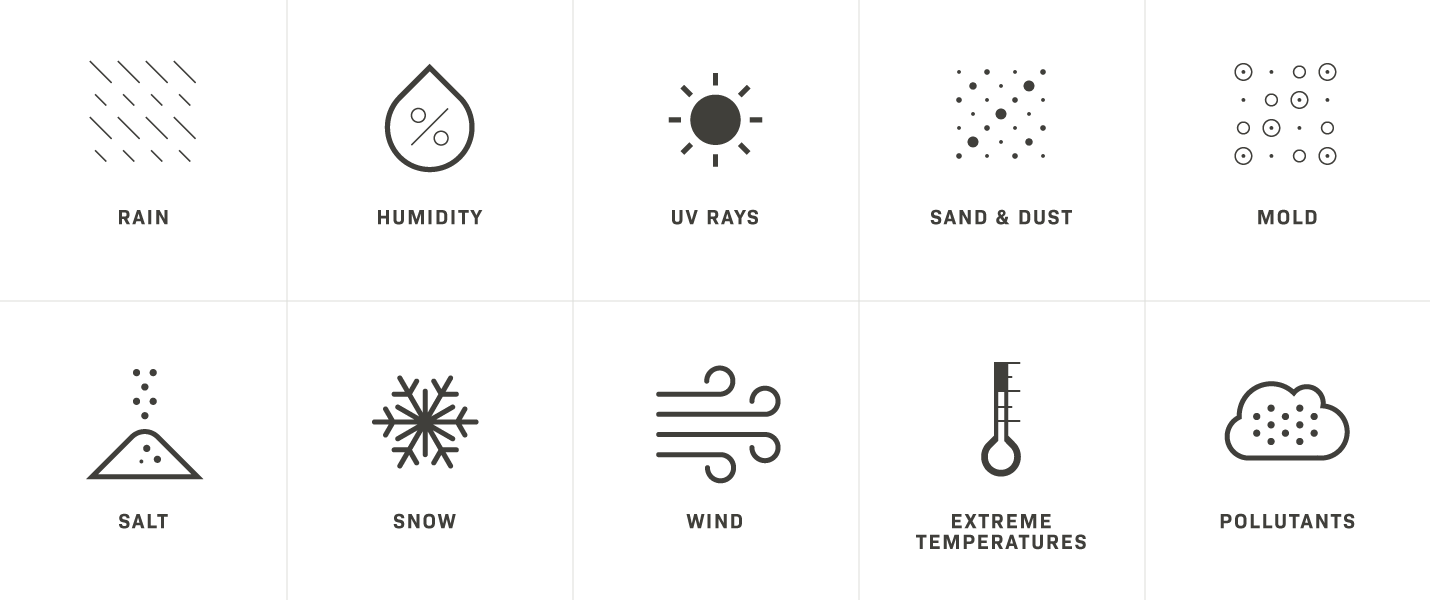
A protective cover should be designed for more than the shape of the asset. Salt air, humidity, UV exposure, rain, sand, dust, freezing temperatures, petroleum, lubricants, and repeated handling can all affect how a cover performs over time.
A cover that works in one setting may not be the right solution for another. Therefore, the environment is one of the first considerations in protective cover design.
Protection Starts with the Operating Environment
Military assets are exposed to a wide range of environmental conditions, and those conditions can change quickly.
Aircraft, vehicles, UAVs, weapons systems, and support equipment may sit on flight lines, in motor pools, aboard ships, near coastlines, in desert environments, or in cold-weather regions. In each setting, the protective cover must perform.
A cover exposed to salt air and humidity needs to help manage moisture. One used in sandy or dusty conditions needs to help protect against fine particulate. Covers in freezing environments need to resist becoming stiff, brittle, or difficult to remove. The design should follow the threat.
Waterproof is Not Enough
Waterproof protection matters, but it is only one part of the equation. A cover that keeps rain out but traps moisture underneath can create a new problem, potentially contributing to the conditions that drive corrosion instead of helping prevent them. Air permeability and moisture management matter.
The goal is not just to block the environment—it’s to protect the asset while allowing the cover system to function in real-world conditions.
Material Selection Matters
The material behind the cover plays a major role in long-term performance. A protective cover may need to repel water, resist UV exposure, prevent absorption of petroleum or lubricants, withstand freezing conditions, and remain durable through repeated installation, removal, cleaning, and storage.
Those material choices affect more than the cover itself. They affect how consistently the cover is used, how much maintenance it creates, and how well it serves as asset protection over time.
A heavy cover that is difficult to handle, prone to freezing, or hard to clean may not be used consistently. One that absorbs fluids, tears easily, or fits poorly can increase maintenance burden instead of reducing it.
Fit Should Support Protection and Use
A quality cover design reflects the geometry of the asset and the realities of how people use it. That includes fit, attachment points, access needs, weight, handling, installation time, removal time, and storage.
The best protective cover is not just technically capable. It’s practical for the people responsible for using it.
When a cover is designed around the asset, environment, and maintainer, it is more likely to be used correctly and consistently. Consistency matters because protection only works when it’s actually applied.
Designed for the Asset. Built for the Environment.
Environment must drive the cover design because that’s what the cover is there to defend against. To learn more about Cocoon’s protective covers and corrosion-prevention solutions, contact one of our subject matter experts at info@cocoon-inc.com.