
Protect Today’s Capability. Preserve Tomorrow’s Readiness.
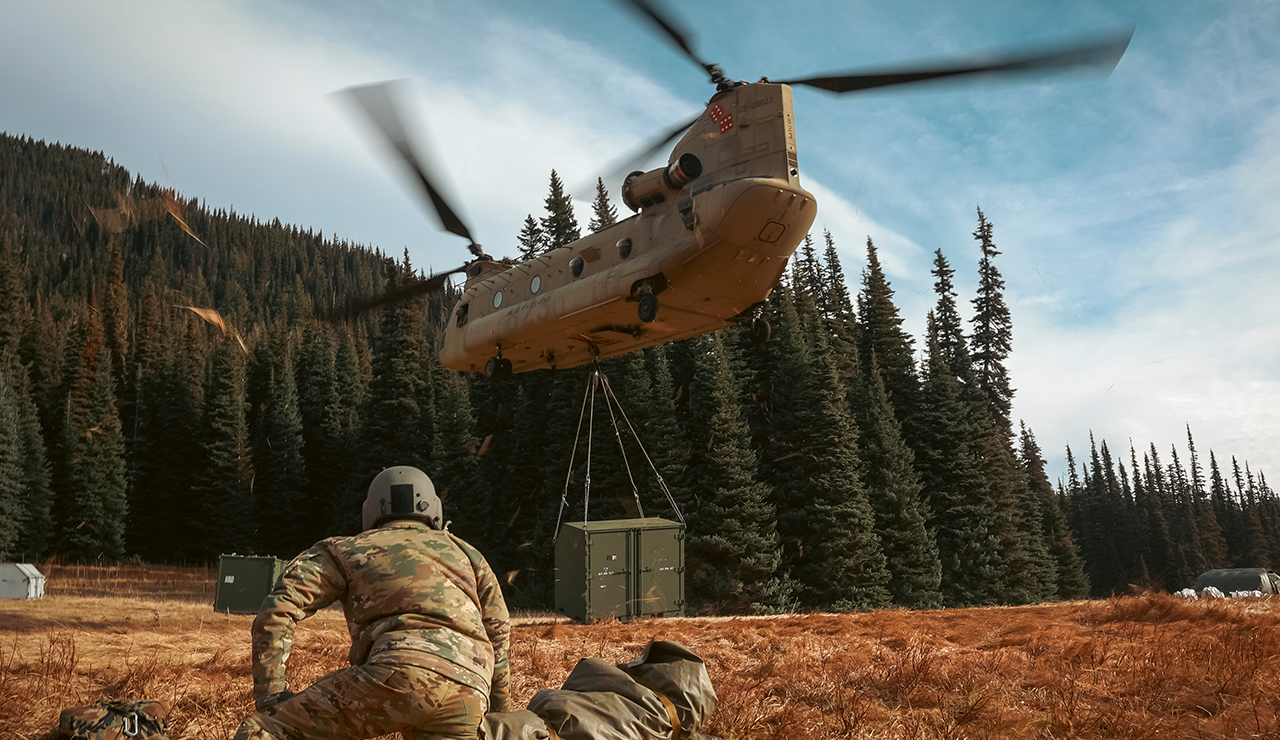
Image courtesy Staff Sgt. Adeline Witherspoon
Military readiness is often discussed in terms of new capability: new platforms, new systems, new infrastructure, and new technology. However, readiness does not end when an asset is acquired, fielded, delivered, or stored.
Aircraft, vehicles, weapons systems, support equipment, parts, infrastructure, and prepositioned assets must remain available, maintainable, and ready for use over time. When environmental exposure begins to degrade those assets, the impact can show up as additional inspections, cleaning, repair, replacement, downtime, or reduced confidence in asset condition.
In a constrained operating environment, avoidable degradation becomes more than a maintenance issue. It becomes a readiness issue.
The Problem: Capability Can Degrade Between Missions
Critical assets don’t have to be in active use to be at risk. Humidity, salt air, rain, sand, dust, UV exposure, pollutants, temperature swings, mold, mildew, and other environmental conditions can continue working against equipment in storage, in transit, on flight lines, in motor pools, in warehouses, or inside maintenance facilities.
The damage is not always immediate and may build slowly, becoming visible only when an asset is inspected, moved, repaired, or needed for use. By then, the problem may already have created added burden for maintainers, delayed availability, or shortened the useful life of the asset.
That’s why asset protection can’t be treated as an afterthought.
The Solution: Protection at the Right Level
Asking the following questions up front can help identify the right level of protection.
Where is it stored, staged, transported, or used?
What conditions will it face?
How often will it be handled?
The goal is not simply to react to corrosion or environmental damage after it appears, it’s to create conditions that help prevent unnecessary degradation from taking hold in the first place. Cocoon helps customers protect readiness by applying corrosion-prevention and asset-preservation solutions at the level where they can make the greatest impact.

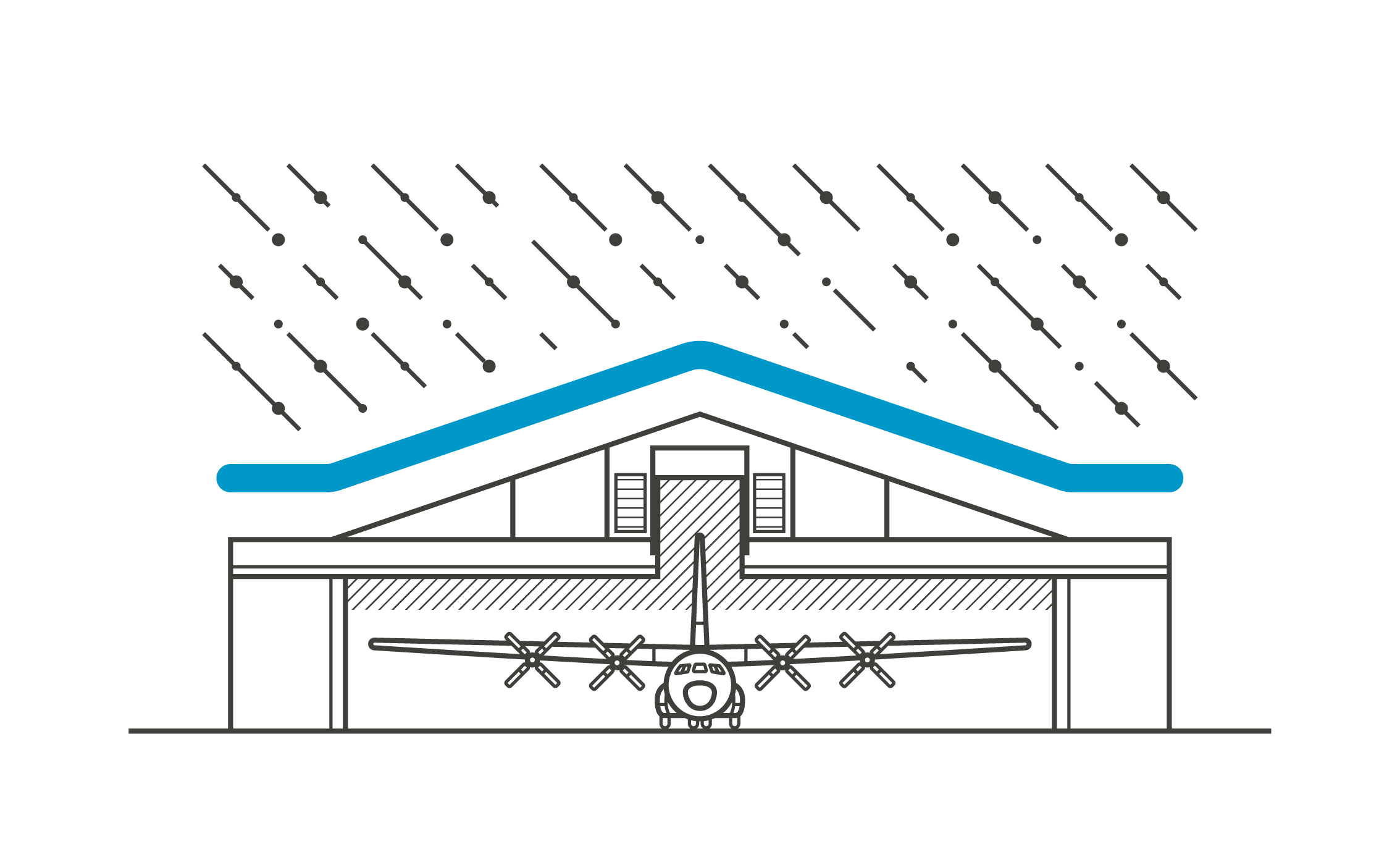
Protective Covers help shield aircraft, vehicles, UAVs, weapons systems, watercraft, ordnance, and ground support equipment from water, sand, dust, UV radiation, oils, lubricants, and other environmental threats without trapping heat and moisture.
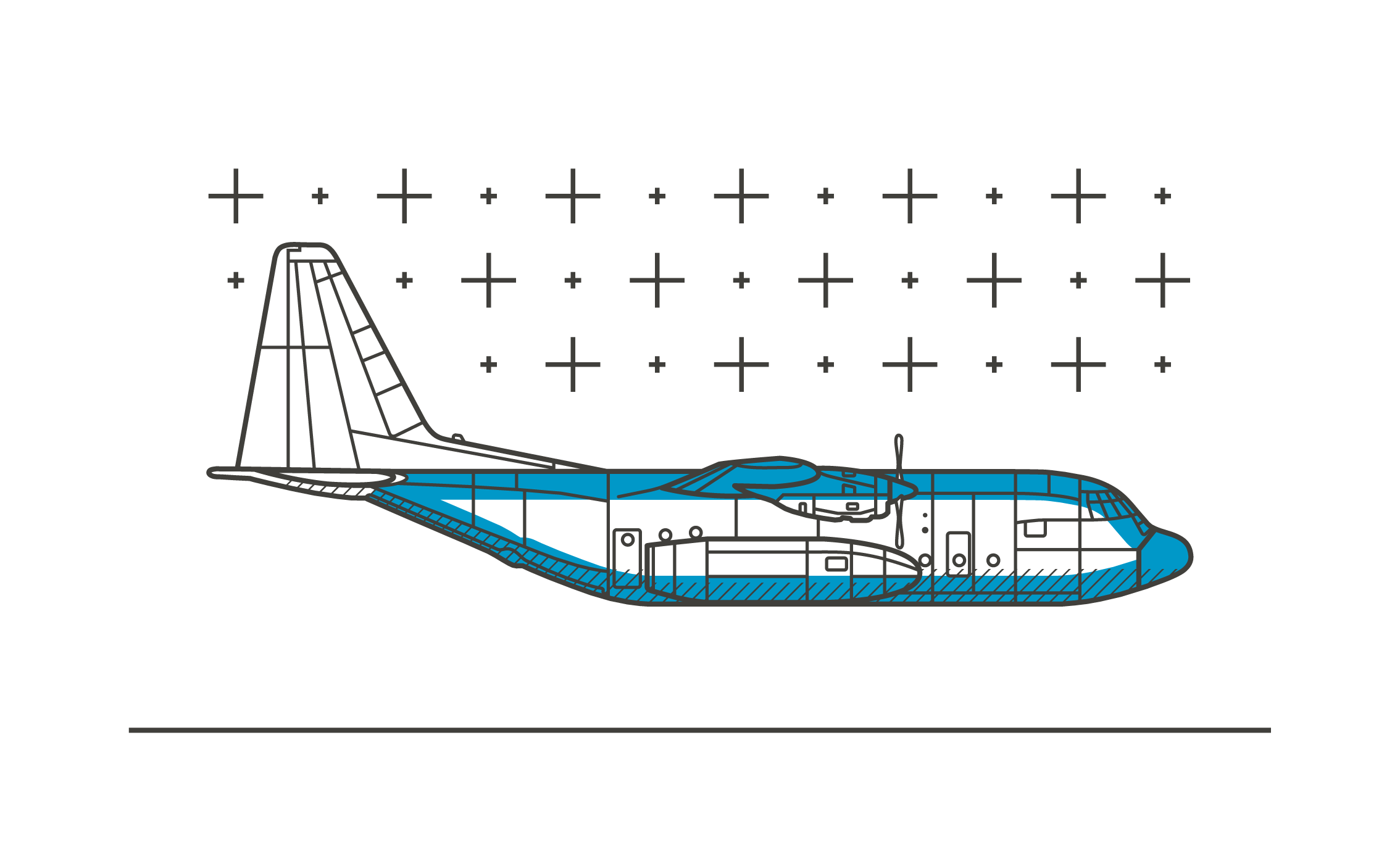
Aviation Insulation helps protect aircraft from the inside out by reducing unnecessary weight, supporting air and moisture-vapor flow, repelling liquids and contaminants, and improving access for inspection and maintenance.
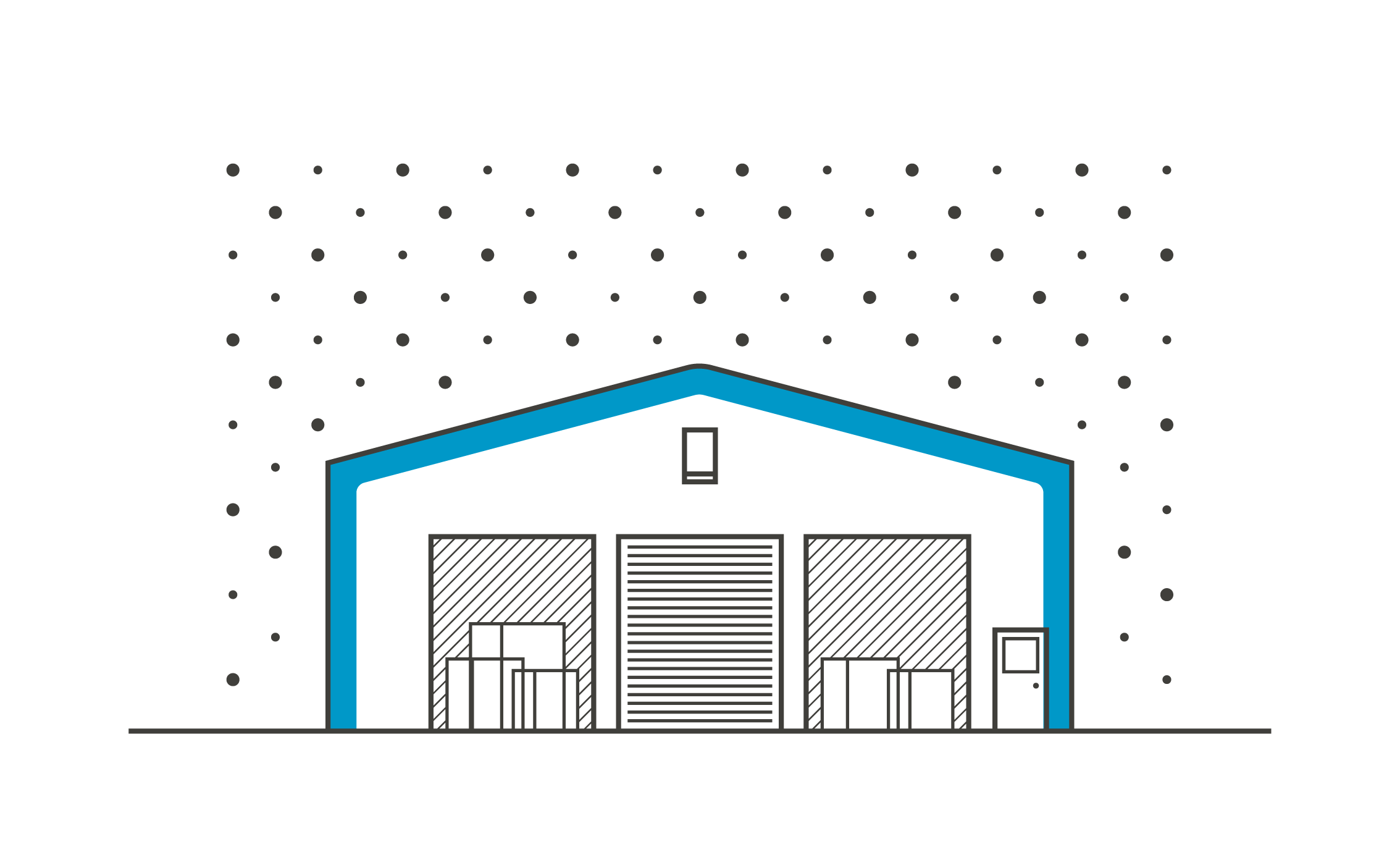
Tension Fabric Structures provide durable, building-code-compliant space for hangars, warehouses, maintenance facilities, aviation sunshades, entry control points, equipment protection, and specialized mission requirements.
Corrosion-Free Environments help preserve entire inventories, fleets, facilities, and prepositioned assets by maintaining controlled humidity and supporting long-term storage in mission-ready condition.
Together, these solutions support a larger purpose: protecting the capability customers already have, so it remains available for the missions ahead. To learn more, contact one of our subject matter experts at info@cocoon-inc.com.